Pelvic Floor Dysfunction: It’s More Than Just Bladder Leakage
Pelvic floor dysfunction (PFD) is often associated with bladder leakage and weak pelvic floor muscles. However, PFD can involve a much wider range of symptoms, and the problem is not always weakness – the muscles can also be too tight or have difficulty relaxing properly. Although pelvic floor problems are often associated with women, they can affect men too.
PFD can affect more than bladder control
The symptoms of pelvic floor dysfunction can be much broader than bladder leakage. They may include constipation, needing to visit the toilet frequently, difficulty emptying the bladder or bowel, discomfort during sex, and pelvic pain or pressure.
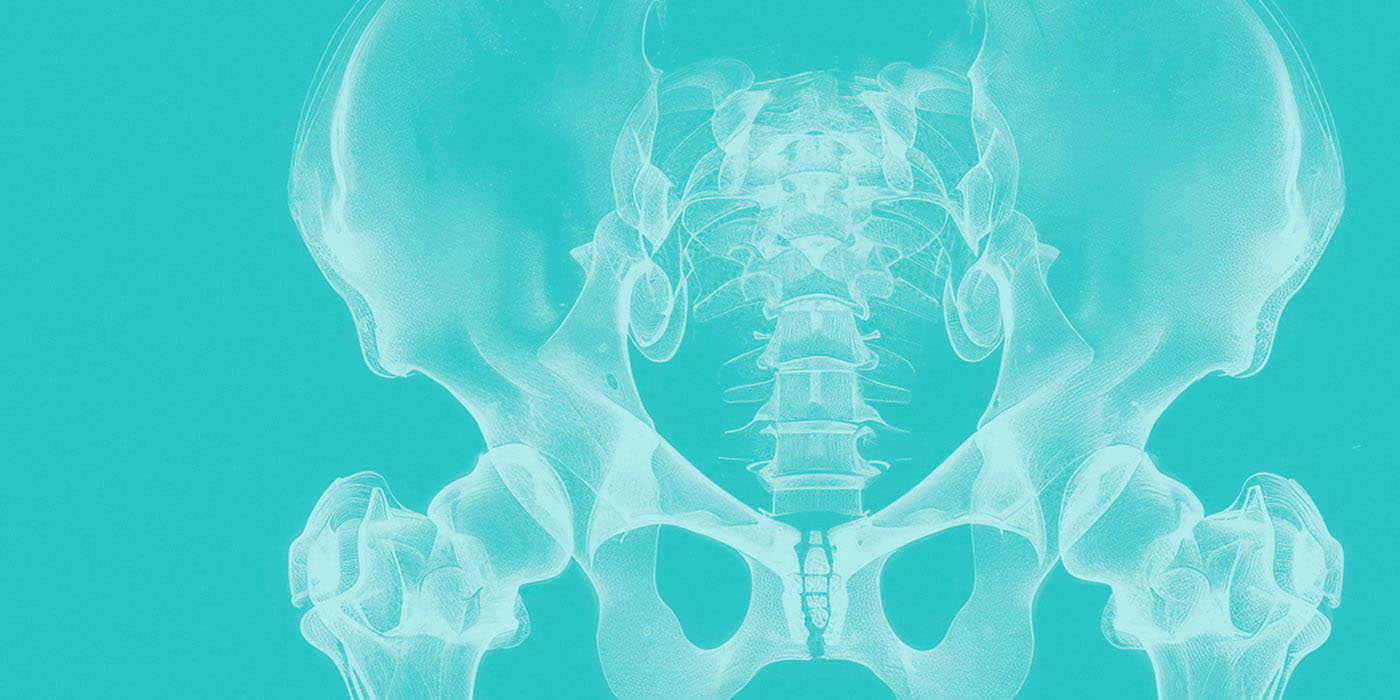
The pelvic floor is a group of muscles at the base of the pelvis that supports the bladder and bowel and helps control bladder and bowel function. For the pelvic floor to function well, these muscles need to be able to both contract and relax.
This is why pelvic floor dysfunction does not necessarily mean that the muscles are simply too weak. An overactive or tight pelvic floor may have difficulty relaxing when needed. This can make it harder to empty the bladder or bowel and can be associated with symptoms including constipation, urinary frequency and pelvic discomfort.
It’s not always about strengthening
Pelvic floor exercises are commonly associated with strengthening the pelvic floor, particularly for bladder leakage. But strengthening is not necessarily the right approach for every pelvic floor problem.
If the pelvic floor muscles are already too tense or are not relaxing properly, simply concentrating on strengthening may not address the problem. An individual assessment is therefore important to understand a person’s symptoms and what may be contributing to them.
Pelvic floor dysfunction can also develop for different reasons, so two patients with apparently similar symptoms may not necessarily need the same approach.
An individual approach to pelvic floor dysfunction
Dr Olivia Zunli Guo has a particular clinical interest in pelvic floor dysfunction and has undertaken specialist training in acupuncture techniques used for pelvic floor conditions.
At Hongwei Chinese Medicine Clinic, treatment is tailored to the individual patient following a discussion of their symptoms and medical history. Depending on the patient’s symptoms and needs, Olivia’s acupuncture treatment may include specialist techniques such as sacral foramen (Baliao) acupuncture and her Daoqi technique.
Olivia uses the Baliao acupuncture points, located around the sacral region of the lower back, together with her Daoqi technique when treating pelvic floor dysfunction. Treatment is tailored to the individual, with the depth, angle and direction of needling adjusted according to the patient and their symptoms.
A patient’s experience of bladder leakage
Pelvic floor problems can affect men as well as women and may also develop following surgery.
In the video below, one of Olivia’s patients talks about experiencing bladder leakage following surgery and shares his experience of receiving acupuncture treatment at Hongwei Chinese Medicine Clinic.
Every patient is different, and an individual experience cannot predict how another person will respond to treatment.
If you would like to learn more about pelvic floor dysfunction and Olivia’s specialist approach, visit our Pelvic Floor Dysfunction page.